Supporting positive student behaviour
At Bli Bli State School, we believe that positive behaviour is an important part of teaching and learning. Our goal is to create a safe, respectful, inclusive and engaging learning environment where every student feels a sense of belonging and is supported to learn and succeed.
Just as we explicitly teach students the knowledge and skills they need for academic success, we explicitly teach the behaviours and routines that help students participate successfully in school. Students are provided with opportunities to learn, practise and receive feedback about expected behaviours across classrooms, playgrounds and other school settings. This approach reflects our commitment to creating positive and predictable learning environments for all students.
Our school-wide expectations
Our approach is built around three simple and consistent expectations:
Be Safe
Be Respectful
Be a Learner
These expectations apply across our school and provide a common language for students, staff and families.
Our Positive Learning Expectations Matrix describes what these expectations look like in different areas and situations across the school. Teachers use the matrix to explicitly teach, model, practise and reinforce positive behaviours with students.
A multi-tiered approach to support
We recognise that students have different strengths and needs. Bli Bli State School uses a Multi-Tiered System of Support (MTSS) to provide increasingly targeted support according to individual student need.
- Tier 1. Support for all students: clear and explicitly taught expectations, predictable routines, positive relationships, acknowledgement of appropriate behaviour and consistent classroom practices.
- Tier 2. Targeted support: additional teaching, practice, feedback and support for students who require more assistance to successfully meet expectations.
- Tier 3. Individualised support: intensive and personalised planning and intervention for the smaller number of students requiring additional support.
Decisions about support are informed by student need, evidence and ongoing monitoring. Our staff work collaboratively with students, families and relevant support staff to help students experience success.
Responding to behaviour
When behaviour does not meet our expectations, staff respond in ways that are appropriate, proportionate and focused on maintaining safe and supportive learning environments.
Where appropriate, behavioural incidents are also used as opportunities to help students understand expectations, reflect on their choices, repair relationships or harm, practise more appropriate responses and successfully re-engage with learning.
We recognise that fair does not always mean the same. When responding to behaviour and determining appropriate support, staff consider the individual circumstances and needs of each student.
Recognising positive behaviour
An important part of our approach is noticing and acknowledging students when they demonstrate our school expectations and values.
Through positive feedback, classroom acknowledgement and whole-school recognition, we celebrate students who demonstrate Character, Commitment, Creativity and Community, while being safe, respectful and active learners.
Working together 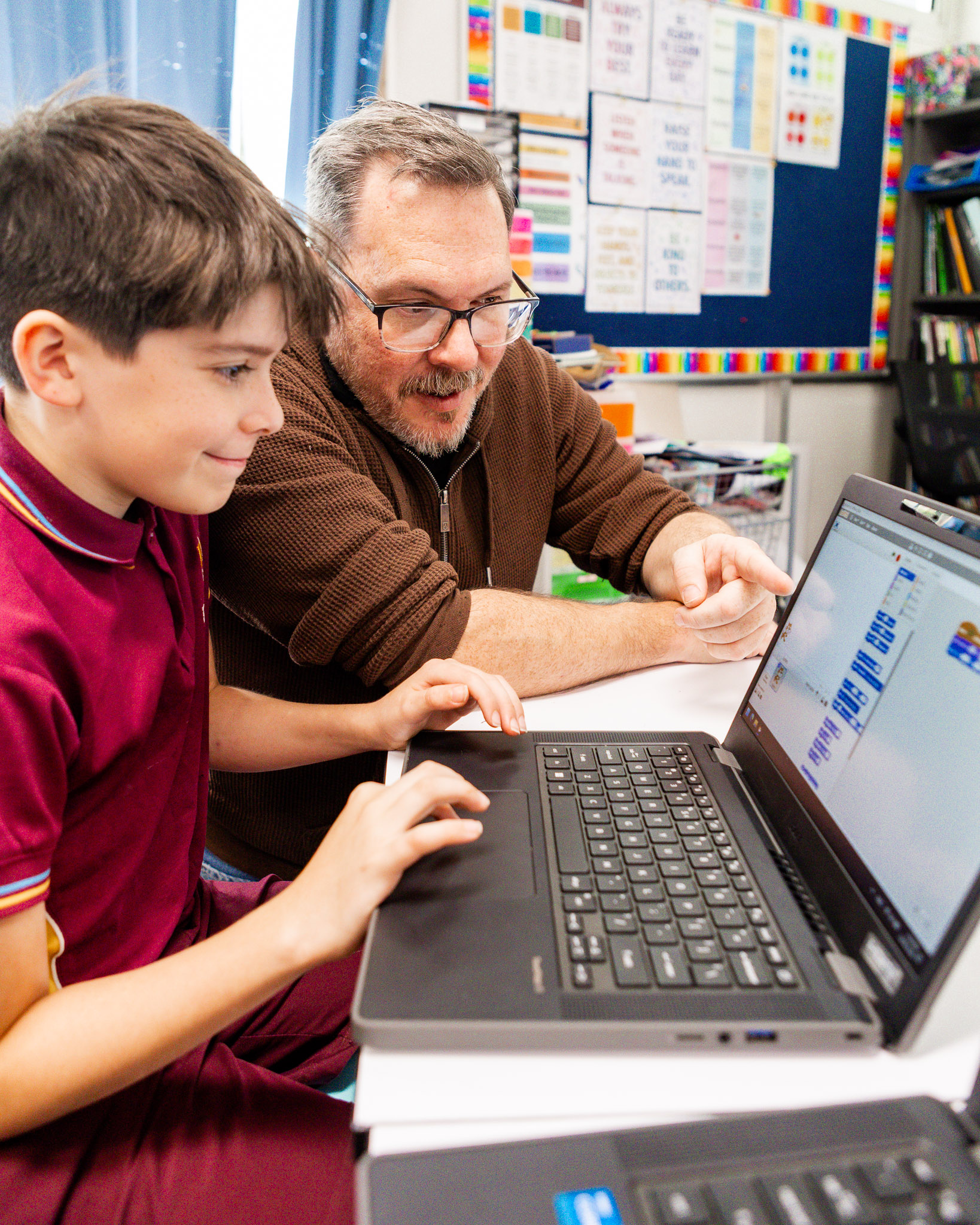
Positive student behaviour is strengthened when students, families and school staff work together with shared expectations and a common understanding.
Our Student Code of Conduct provides detailed information about our whole-school approach, student expectations, support processes, responses to behaviour, bullying and cyberbullying, and school disciplinary processes.
Families who have questions or concerns about their child's behaviour or support are encouraged to speak with their child's classroom teacher in the first instance.